
Blog
Does Adderall Cause Hair Thinning?

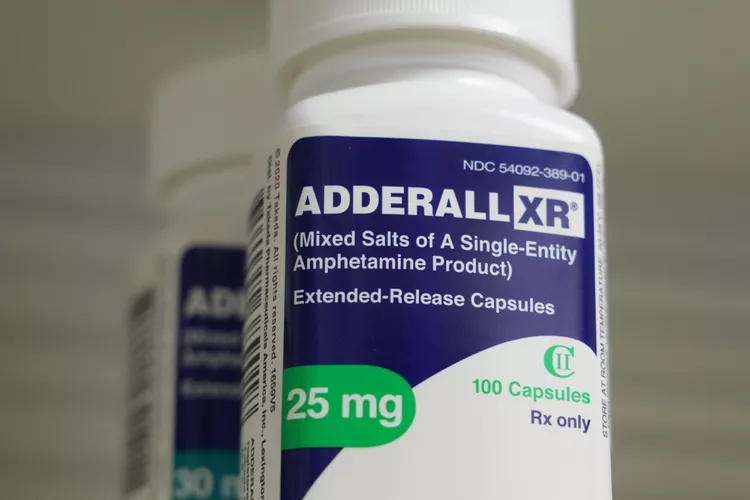
Does Adderall Cause Hair Thinning? Understanding Adderall and Hair Loss
Does Adderall cause hair thinning? This is a question some people may have after noticing increased shedding, a widening part, or thinner-looking hair while taking Adderall. Adderall contains amphetamine salts and is a prescription stimulant commonly used to treat attention-deficit/hyperactivity disorder (ADHD) and, in some cases, narcolepsy.
Does Adderall Cause Hair Thinning? is not generally considered one of the most common side effects of Adderall. However, hair loss or changes in hair growth have been reported in association with stimulant medications, and there may be several possible explanations for hair shedding in someone taking Adderall.
What Is Does Adderall Cause Hair Thinning?
Does Adderall Cause Hair Thinning? is a prescription medication containing mixed amphetamine salts. It affects certain chemicals in the central nervous system and can improve attention and reduce impulsivity and hyperactivity in people with ADHD.
Like other prescription medications, Adderall can cause side effects. Commonly reported effects can include decreased appetite, difficulty sleeping, dry mouth, increased heart rate, and nervousness.
Because Adderall is a prescription stimulant, it should be taken only according to the directions of a qualified healthcare professional.
Can Adderall Cause Hair Thinning?
There is not enough evidence to conclude that Adderall commonly causes hair thinning in most people. However, hair loss has been reported in association with stimulant use, and some people may notice increased shedding while taking the medication.
One possible explanation is telogen effluvium, a temporary form of hair shedding that can occur after physical or psychological stress.
Importantly, experiencing hair thinning while taking Adderall does not automatically mean that Adderall is the direct cause.
How Could Adderall Be Related to Hair Loss?
Does Adderall Cause Hair Thinning? Several factors may potentially connect stimulant treatment with increased hair shedding.
1. Reduced Appetite
Adderall can reduce appetite. If appetite suppression leads to inadequate intake of calories, protein, iron, zinc, or other nutrients, nutritional deficiencies could contribute to hair shedding.
Maintaining a balanced diet is therefore important for overall health and normal hair growth.
2. Stress
Physical or psychological stress can contribute to temporary hair shedding. Stress may come from many sources, including illness, major life changes, sleep problems, or significant changes in eating patterns.
If someone experiences increased stress while taking Adderall, the stress itself could potentially contribute to hair changes.
3. Sleep Problems
Stimulant medications can sometimes interfere with sleep, particularly when taken incorrectly or too close to bedtime.
Poor or insufficient sleep can affect overall health and may contribute indirectly to changes in hair growth or shedding.
4. Underlying Medical Conditions
Hair thinning can occur for many reasons unrelated to Adderall. Examples include thyroid disorders, iron deficiency, hormonal changes, autoimmune conditions, scalp disorders, and hereditary hair loss.
For this reason, persistent hair loss should not automatically be attributed to medication.
What Does Adderall-Related Hair Shedding Look Like?
Medication-associated shedding may appear as increased hair found on a pillow, in the shower, or on a hairbrush.
Some people may notice overall thinning rather than clearly defined bald patches.
However, different patterns of hair loss can point toward different causes. For example, gradual thinning around the hairline or crown may be more consistent with hereditary pattern hair loss than medication-related shedding.
A healthcare professional or dermatologist can help determine the likely cause.
Is Adderall Hair Loss Permanent?
Not necessarily.
If increased shedding is related to a temporary trigger such as nutritional deficiency, significant stress, illness, or medication-associated shedding, hair growth may improve after the underlying problem is addressed.
However, recovery depends on the cause. Some forms of hair loss are chronic or progressive and require specific treatment.
Anyone experiencing persistent or significant hair thinning should consider getting evaluated rather than assuming it will resolve on its own.
What Should You Do If Your Hair Is Thinning?
If you notice significant hair shedding after starting Adderall, keep track of when the symptoms began and whether other changes occurred around the same time.
A healthcare professional may consider factors such as:
- Diet and nutritional intake
- Recent illness or stress
- Sleep patterns
- Family history of hair loss
- Other medications
- Thyroid health
- Iron or other nutritional deficiencies
- Scalp health
Depending on the situation, a doctor may recommend blood tests or referral to a dermatologist.
Should You Stop Adderall If Your Hair Is Thinning?
Do not stop or change your prescribed Adderall treatment without discussing it with your healthcare professional.
If your clinician believes the medication may be contributing to your symptoms, they can evaluate whether an adjustment or alternative treatment is appropriate.
Stopping a prescription medication without medical guidance can also cause problems with management of the condition for which it was prescribed.
Frequently Asked Questions
Does Adderall cause hair thinning?
Hair thinning is not considered one of the most common effects of Adderall, but hair loss has been reported in association with stimulant use. Other causes of hair shedding should also be considered.
Can Adderall cause temporary hair loss?
Possibly. If hair shedding is related to a temporary trigger such as nutritional problems, stress, or another reversible factor, it may improve when the underlying cause is addressed.
Does Adderall affect hair growth?
There is no strong evidence that Adderall directly prevents normal hair growth in everyone who takes it. Hair changes can result from many factors, including nutrition, hormones, genetics, stress, and medical conditions.
What vitamins are good for hair growth?
Adequate nutrition is important for healthy hair. However, taking large amounts of supplements without confirming a deficiency is not necessarily beneficial and can sometimes be harmful. A healthcare professional can help determine whether testing or supplementation is appropriate.
When should I see a doctor about hair loss?
Consider medical evaluation if hair loss is sudden, severe, persistent, associated with scalp inflammation, occurs in patches, or is accompanied by other unexplained symptoms.
Conclusion
So, does Adderall cause hair thinning? Hair thinning or increased shedding can occur in people taking stimulant medications, but it is not considered one of the most common effects of Adderall, and there are many other possible explanations for hair loss.
Reduced appetite, nutritional deficiencies, stress, sleep changes, genetics, hormonal conditions, and other medical problems can all contribute to hair thinning.
If you notice new or worsening hair loss while taking Adderall, speak with your healthcare professional or a dermatologist. They can help identify the underlying cause and determine whether any changes to your treatment are appropriate.